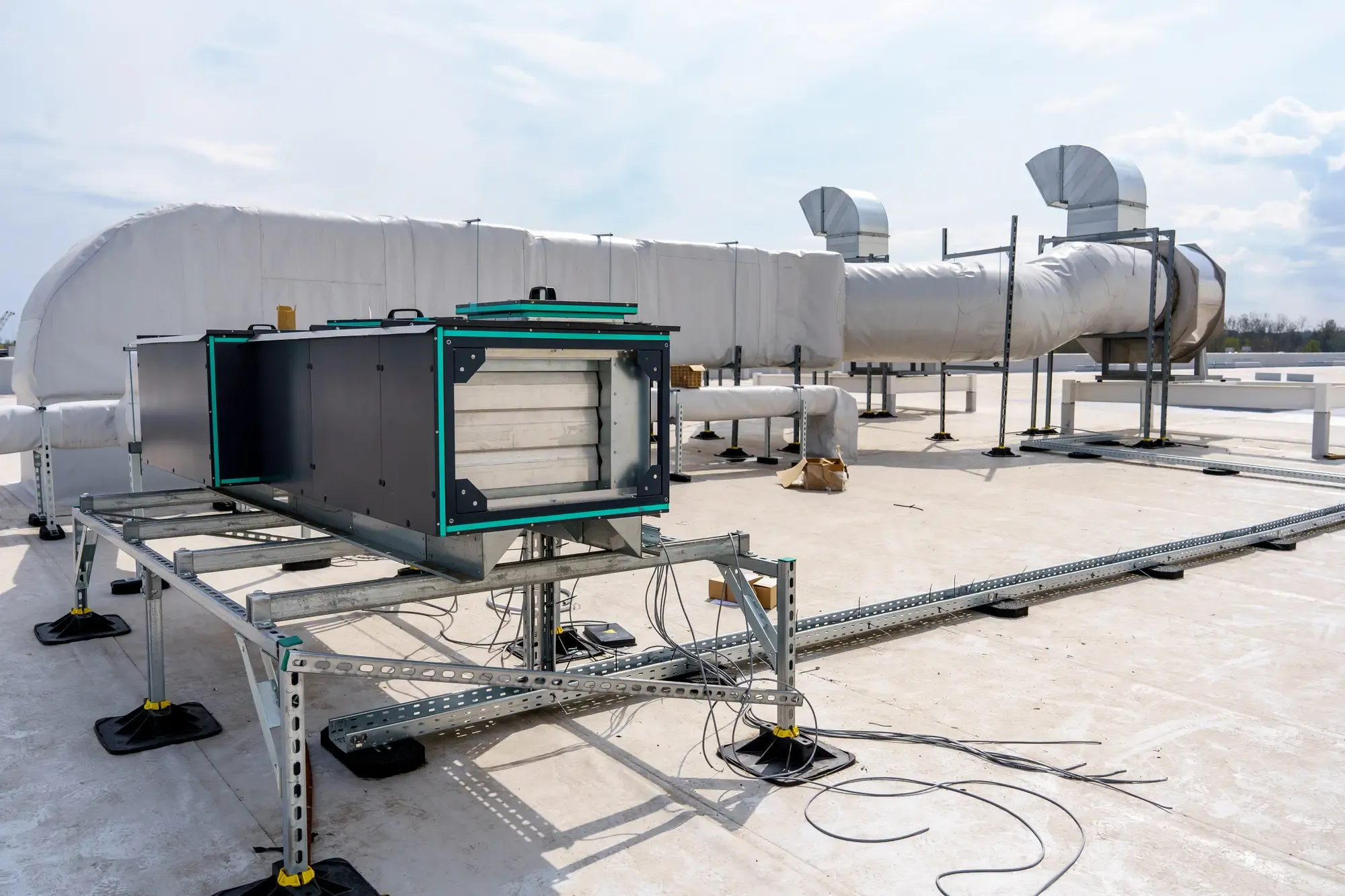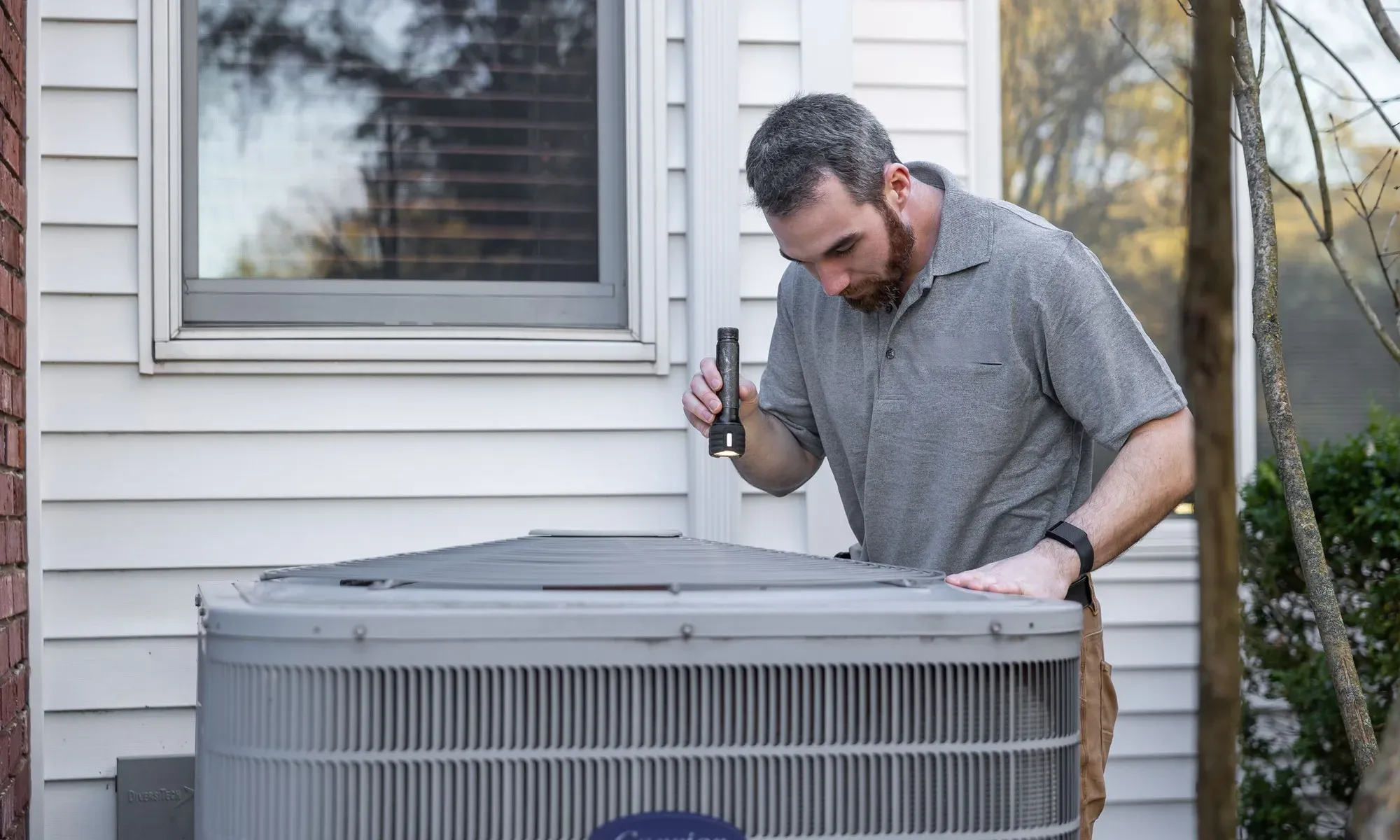
If you have shopped for heating lately, you have heard about heat pumps. They are the biggest change in home comfort in years, and for good reason. But a lot of the advice online is written for mild climates, and Northwest Indiana is not mild in January. So let us cut through it and talk about what actually makes sense here.
The short version: both a modern heat pump and a good gas furnace can keep a NWI home comfortable. Which one is right depends on your house, your budget, and how you weigh up front cost against monthly cost. For many homes here, the best answer is not one or the other. It is both.
How a gas furnace works
A furnace burns natural gas to create heat, then blows that heat through your ducts. It is a proven, straightforward approach that our region has relied on for generations. Gas furnaces produce very warm air quickly, they perform the same no matter how cold it gets outside, and natural gas has long been an affordable fuel in Indiana.
The tradeoff is that a furnace only heats. You still need a separate air conditioner for summer.
How a heat pump works
A heat pump does not burn fuel to make heat. It moves heat instead. In winter it pulls warmth from the outside air, even cold air holds heat energy, and brings it indoors. In summer it runs in reverse and moves heat out of your home, working as your air conditioner. One system, both jobs.
Because it moves heat rather than creating it, a heat pump can deliver more heating energy than the electricity it uses, which is where its efficiency comes from. The air it produces tends to feel less blast-furnace hot than a gas furnace and more like a steady, even warmth.
The real question: cold-climate performance
Here is where older advice leads people astray. Heat pumps from ten or fifteen years ago struggled when temperatures dropped, and that reputation stuck. Today’s cold-climate heat pumps are a different machine. They keep producing useful heat well below freezing, far into the range of a typical Northwest Indiana winter.
That said, on our coldest stretches, when the temperature sits well below freezing for days, a heat pump has to work harder and its efficiency edge shrinks. This is the single most important thing to understand before you choose, and it leads directly to the option most NWI homeowners land on.
The option that fits our winters: dual-fuel
A dual-fuel system, also called a hybrid system, pairs a heat pump with a gas furnace. It is, for a lot of homes here, the best of both worlds.
Most of the heating season, the efficient heat pump does the work. When the temperature drops low enough that gas heat becomes the smarter choice, the system automatically switches over and the furnace takes the coldest nights. You get efficient, even comfort through the long shoulder months of fall and early spring, and the dependable, powerful heat of a gas furnace when a hard freeze rolls in off the lake.
You also get a heat pump that doubles as a high efficiency air conditioner in summer. For homeowners who are replacing both an aging furnace and an aging AC at the same time, dual-fuel often makes a lot of sense.
Operating cost
Which system costs less to run each month is genuinely a “it depends” answer, and anyone who tells you otherwise is selling something.
It depends on the price of natural gas versus electricity where you live, how efficient the specific equipment is, how well your home holds heat, and how the system is configured. A heat pump’s efficiency is its strength, especially in milder weather. A gas furnace’s strength is steady performance and a fuel that has historically been affordable in Indiana. A dual-fuel system is designed to lean on whichever is the better choice at a given temperature.
The honest answer for your home comes from looking at your actual house and your actual energy rates, not from a national average.
Up front cost
A gas furnace on its own is typically the lower up front cost when you are only replacing the furnace. A heat pump usually costs more to install, but remember it is also replacing your air conditioner, so you are buying two functions in one system. A dual-fuel setup is the largest up front investment because it includes both a heat pump and a furnace, and it is aimed at homeowners who want long term efficiency plus cold-weather dependability.
The right way to compare is not sticker price alone. It is the up front cost together with what the system will cost to run over the years you will own it.
So which is right for your home?
A few honest guidelines:
- If your furnace alone is failing, your AC is fine, and you want the simplest, most affordable replacement, a high efficiency gas furnace is a solid, proven choice.
- If your furnace and air conditioner are both aging out, and you want efficiency plus one system that heats and cools, a heat pump or a dual-fuel system deserves a serious look.
- If you want efficient comfort most of the year and complete confidence on the coldest NWI nights, dual-fuel is often the sweet spot.
What matters most is not the brand or the buzzword. It is that whatever you choose is sized correctly for your home with a proper load calculation, and installed well. An oversized or poorly installed system of any type will disappoint you.
Talk it through with a local team
This is a bigger decision than a simple repair, and it is worth getting real, local advice before you commit. We have been sizing and installing heating systems across Northwest Indiana since 1963, through every kind of winter this region throws at us.
If you want an honest recommendation for your specific home, request a free estimate or call (219) 322-4649. Our installation and system replacement crews will walk you through your options, size the system to your house, and install it right the first time.