There are few worse feelings than walking past the thermostat on a cold Northwest Indiana morning, noticing the house is freezing, and realizing the furnace did not kick on. Before you brace for an expensive repair, take a breath. A surprising share of “dead” furnaces come back to life with a two-minute fix you can do yourself.
Here is a calm, safe order to work through. We will tell you exactly where the DIY zone ends and where you should put the tools down and call a technician.
1. Check the thermostat first
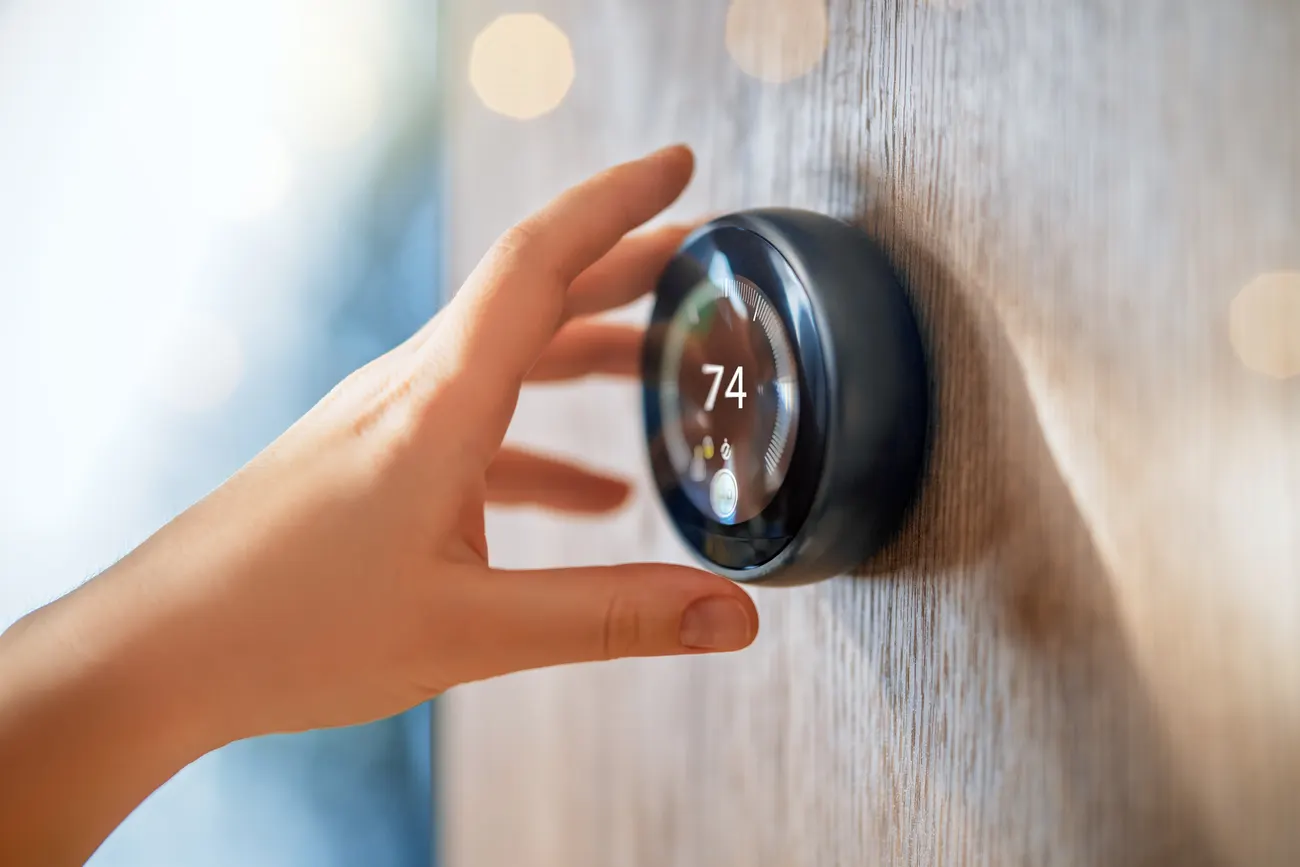
It sounds too simple, but this is the single most common culprit. Confirm the thermostat is:
- Set to HEAT, not COOL or OFF (easy to bump).
- Set to a temperature above the current room temperature, so it is actually calling for heat.
- Powered. If the screen is blank or dim, replace the batteries. A dead thermostat cannot tell the furnace to do anything.
If someone in the house “fixed” the schedule recently, an accidental setback or a hold can also leave the furnace idle when you expect heat. Our thermostat settings guide is written for summer, but the same rules about programming and holds apply in reverse for winter.
2. Check the breaker and the furnace switch
Furnaces need electricity even though they burn gas. Two things to check:
- The breaker. Find your electrical panel and look for a tripped furnace breaker (it will sit between “on” and “off”). Flip it fully off, then back on.
- The furnace power switch. Right next to or on the furnace is a switch that looks exactly like a light switch. It is famous for getting flipped off by accident, especially if someone was cleaning or storing things nearby. Make sure it is on.
If the breaker trips again right after you reset it, stop. A breaker that keeps tripping is telling you something is wrong electrically, and that is a job for a technician, not a repeated reset.
3. Check (and change) the air filter
A clogged filter is behind a shocking number of no-heat calls. When the filter is packed with dust, the furnace cannot pull enough air across the heat exchanger. To protect itself from overheating, it shuts down on a safety switch, or it short-cycles: firing up, then quitting a minute later.
Pull the filter. If you can barely see light through it, that is your answer. Swap in a fresh one and give the furnace a few minutes to reset. If you are not sure how often to do this, we spell it out in How Often Should You Change Your Furnace Filter?.
4. Make sure nothing is blocking airflow or the drains
Two quick checks in this category:
- Vents and registers. If furniture, rugs, or boxes are covering too many supply or return vents, airflow drops and the furnace can trip a limit switch. Open them up.
- The condensate drain. High-efficiency furnaces produce water as they run, and that water drains away. If the drain line clogs, a float switch shuts the furnace off on purpose to prevent a leak. A furnace that is completely dead with no obvious cause, especially a newer high-efficiency one, sometimes traces back to a full condensate drain or a tripped float switch.
5. Look (and listen) for the ignition trying
Modern furnaces do not use a standing pilot light. They use electronic ignition. Stand near the furnace and watch when it should fire:
- If you hear it try to start and then give up, note that pattern. It often points to a flame sensor, igniter, or safety issue, all of which need a technician.
- If it does absolutely nothing, go back through steps 1 and 2, since that usually means it is not getting a signal or power.
Do not try to relight, clean, or adjust the burners or gas valve yourself. That is where DIY safely ends.
When to stop and call a professional
Put the tools down and call us if any of these are true:
- You smell gas. Leave the house first, call your gas utility, then a technician. Do not flip switches.
- The breaker keeps tripping.
- The furnace short-cycles even with a clean filter and clear vents.
- You see error codes blinking on the furnace, and clearing them does not help.
- It simply will not start and you have worked through the safe checks above.
None of this is a failure on your part. Heat exchangers, gas valves, control boards, and safety circuits are exactly what a trained technician is for, and guessing with gas appliances is not worth the risk. The U.S. Consumer Product Safety Commission’s carbon monoxide safety guidance is worth a read on why a cracked heat exchanger or improper combustion is never a DIY area.
We answer our own phones
When your furnace quits in a Northwest Indiana January, you do not want a runaround. We are known across the area, from Cedar Lake and Highland to Hobart, for getting out fast on no-heat calls, often the same day.
If you have worked through the checklist and the house is still cold, request service or call (219) 322-4649. A real technician will find the actual problem, tell you the price before doing the work, and get your home warm again. And if this is the third repair on an aging furnace, we will give you an honest read on whether replacement is the smarter move.